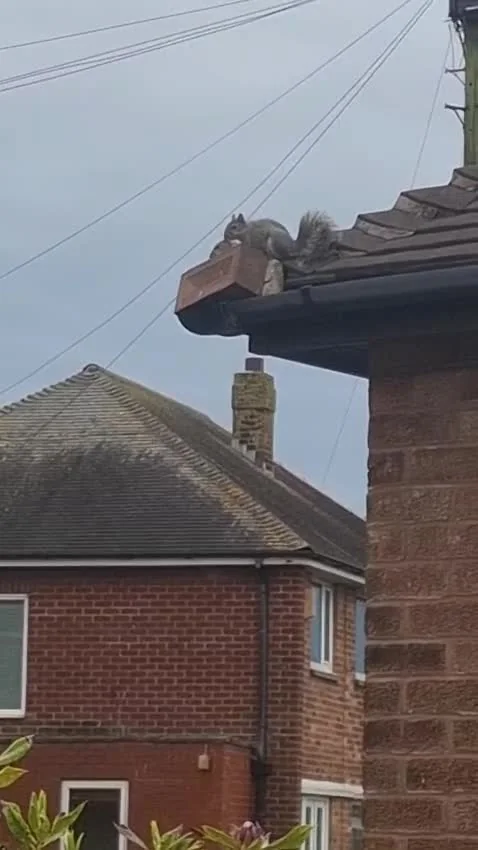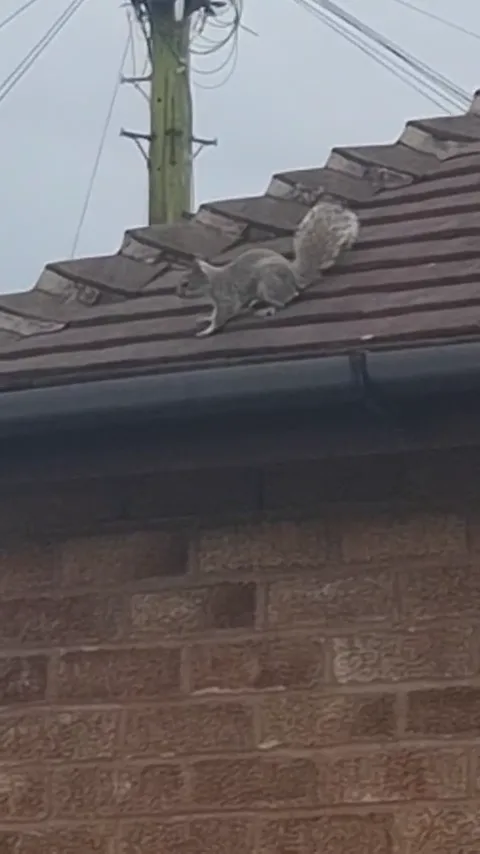
Start with the roofline and loft.
Scratching in the roof space or damage near the eaves? An inspection can identify the animal and the route it is using.
View squirrel-control footage (shows a trapped squirrel)
Squirrel biology and behaviour.
Biology and life cycle
Grey squirrels are climbing rodents that may use roof spaces as shelter. Their gnawing can damage timber, insulation and electrical cables. Correct species identification matters before any control is planned.
Where they live and how they behave
They are active during the day and move between trees, fences and buildings. Roof gaps and nearby branches can offer access to an attic or loft, where nesting material and damage may be found.
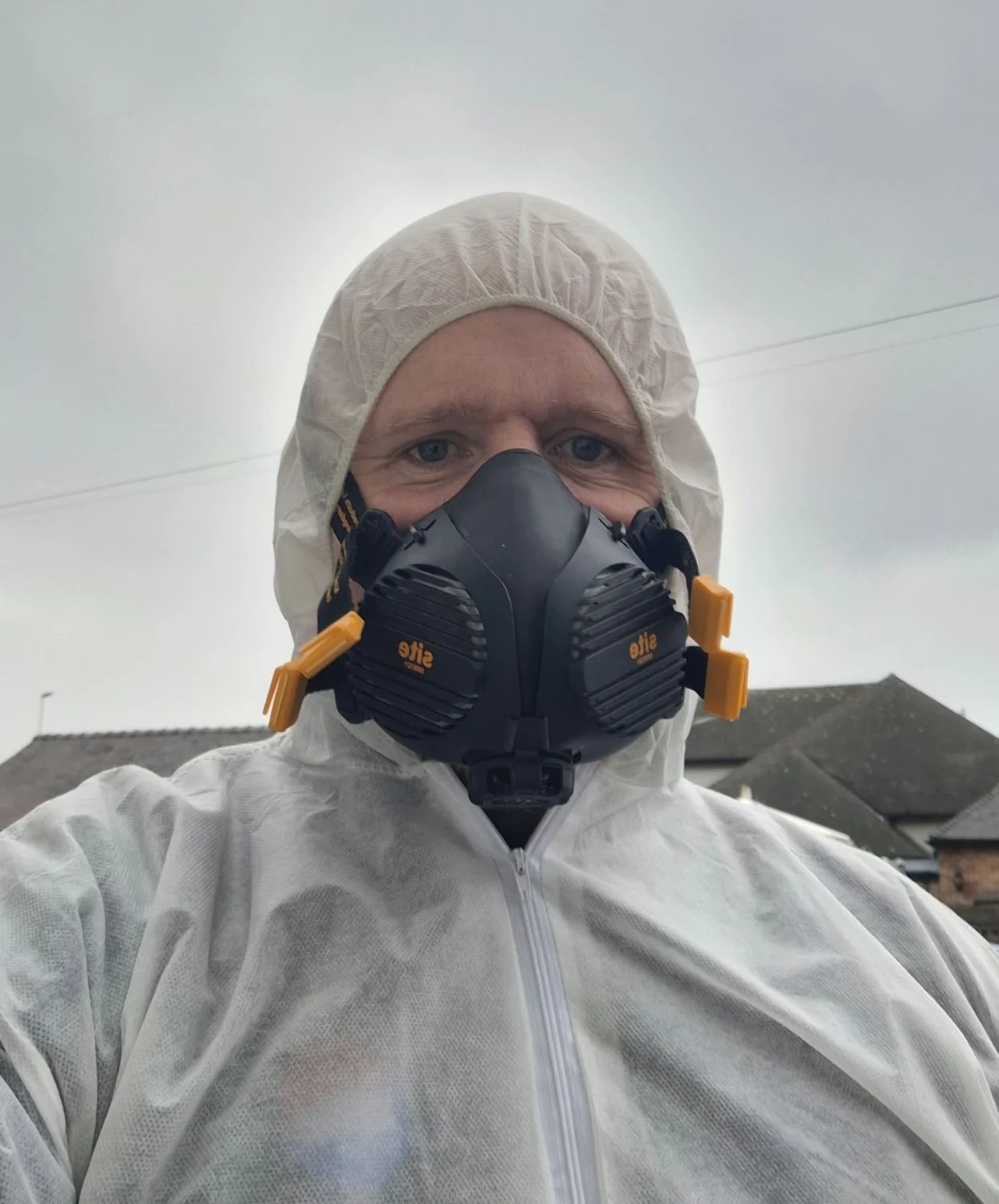
How Chris can help
Chris checks signs and access, then explains suitable control and proofing options. Work must consider dependent young and other wildlife. Grey squirrels caught alive cannot lawfully be released back into the wild.
Prevention and preparation
Keep items stacked away from walls and ask about overhanging branches and roof repairs. Arrange an assessment before sealing a suspected entry point.
More on identification and behaviour: BPCA: grey squirrels, GOV.UK: pest control on your property.
Signs that may point to squirrels.
These clues are a starting point. A survey can confirm what is happening at your property.
Daytime loft sounds
Scratching or movement in the loft, often during daylight.
Gnawing damage
Gnawed roof edges, vents or other entry points.
Disturbed insulation
Disturbed insulation or nesting material.
Careful assessment. Clear advice.
The approach depends on the pest, location and property. Chris explains the findings and recommended work before you decide what to do.
Check the evidence
Chris assesses the loft and roofline activity where access allows.
Recommend control
The approach is shaped by the site and confirmed activity.
Discuss proofing
Likely entry routes are considered to help limit a return.