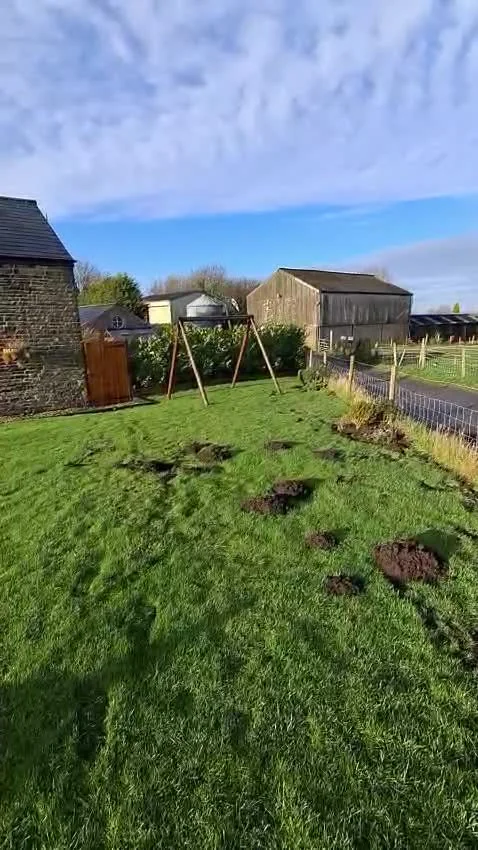
Read the pattern across the lawn.
Fresh molehills or raised runs affecting a lawn or grounds? Chris can assess the activity and explain suitable options for the site.
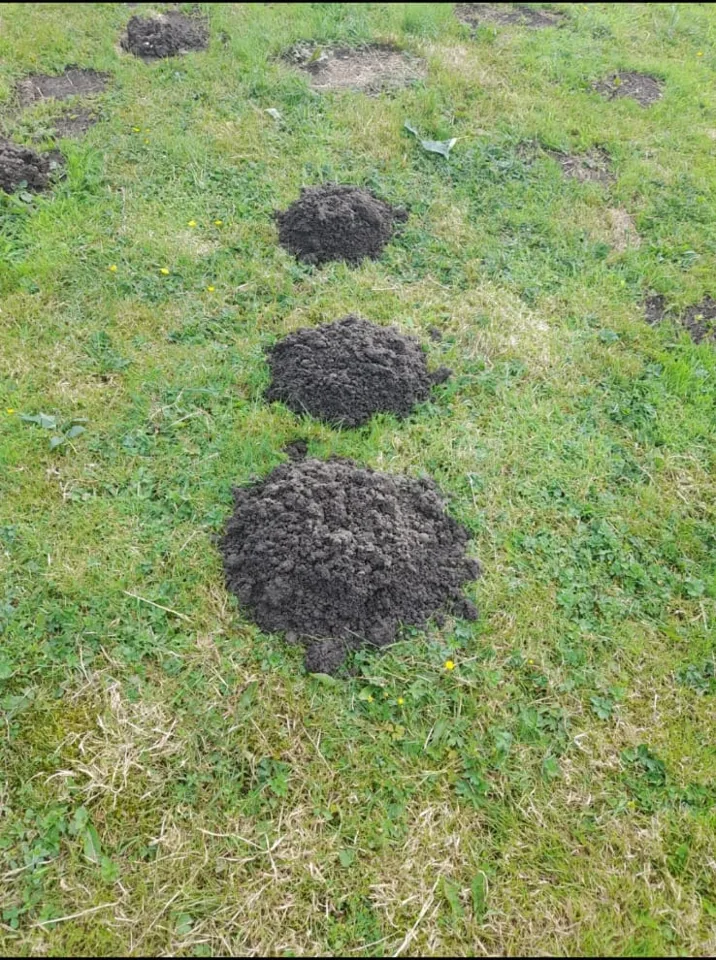
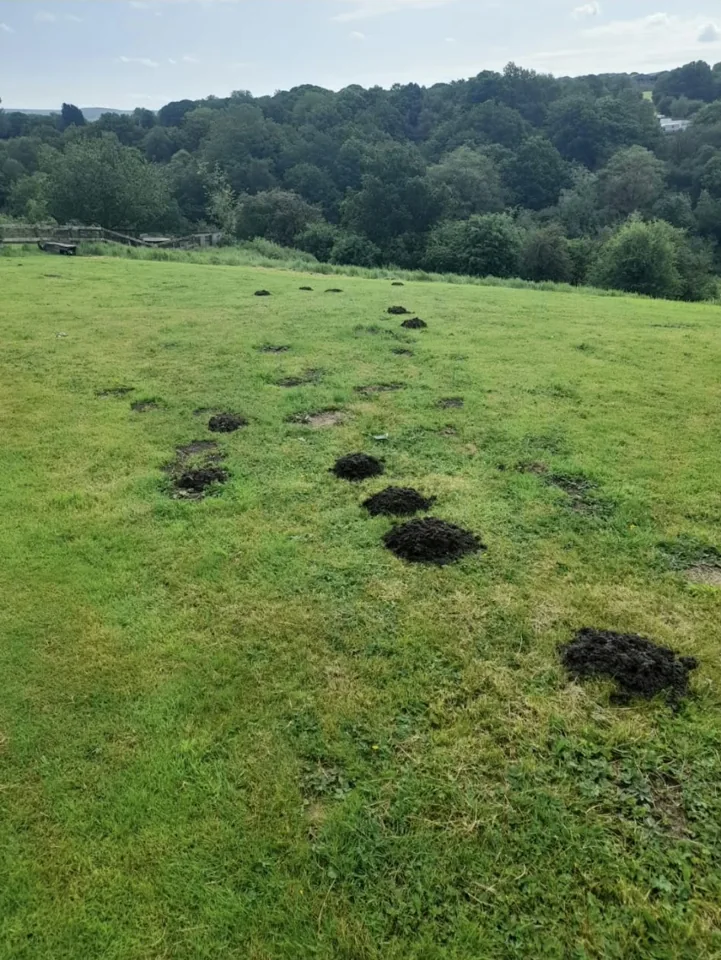
Mole biology and behaviour.
Biology and life cycle
Moles are small mammals adapted to life underground. Their broad front paws dig tunnels, where they search for earthworms and other small soil animals. The earth they push to the surface forms molehills.
Where they live and how they behave
The tunnel network is central to how moles feed and move. Activity in gardens, lawns and other grassed areas can leave surface mounds and disturb the ground, even when the animal itself is rarely seen.
How Chris can help
Chris checks the affected area, looks for active runs and discusses an appropriate approach. The plan should reflect how the grounds are used and the need to protect people, pets and other wildlife.
Prevention and preparation
Note where fresh mounds appear and send a photograph of the wider affected area. Avoid placing improvised traps or products before the site has been assessed.
More on identification and behaviour: The Wildlife Trusts: mole.
Signs that may point to moles.
These clues are a starting point. A survey can confirm what is happening at your property.
Fresh molehills
New mounds of loose soil appearing in grass.
Raised runs
Raised runs or disturbed lawn surfaces.
Returning activity
Fresh activity returning after old molehills are levelled.
Careful assessment. Clear advice.
The approach depends on the pest, location and property. Chris explains the findings and recommended work before you decide what to do.
Survey the activity
Chris reviews the pattern of molehills and runs.
Explain the options
You receive a practical recommendation for the outdoor space.
Discuss next steps
Chris explains what the work involves and provides an estimate.