Assess the building and the bird activity.
Persistent roosting or nesting around your building? Get advice on the species, the affected areas and suitable prevention.
Bird behaviour around buildings.
Biology and life cycle
Urban birds use buildings for shelter, resting and nesting. Food sources and accessible ledges can encourage repeated visits. Nest material and fouling can affect building maintenance and may be associated with other pests.
Where they live and how they behave
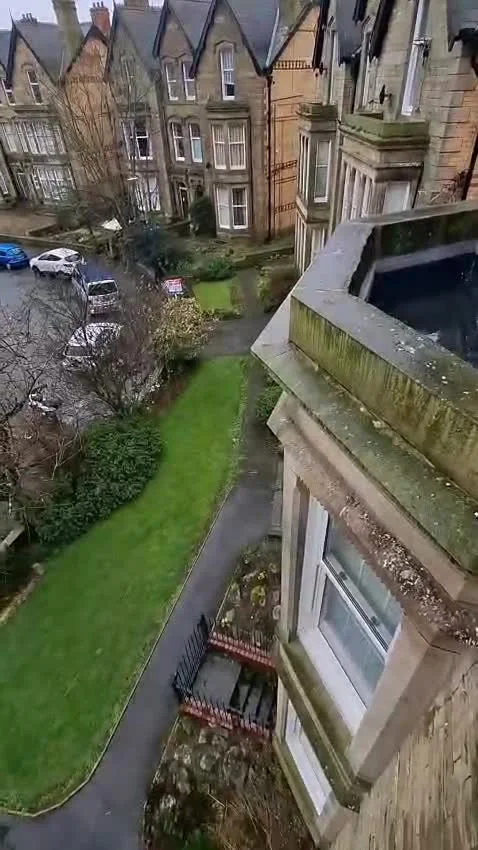
Roof edges, sheltered ledges and gaps beneath parts of a roof can offer attractive places to settle. The species and whether birds are nesting determine what work can be considered.
How Chris can help
Chris assesses the site and discusses appropriate deterrents, proofing and any associated cleaning. Wild birds and active nests are protected, so the timing and lawful basis for work must be checked before proceeding.
Prevention and preparation
Keep food waste contained and avoid feeding birds close to problem areas. Do not seal occupied access points or disturb nests; ask for an assessment first.
More on identification and behaviour: BPCA: urban birds advice leaflet, GOV.UK: wild birds, protection and licences.
Signs that may point to birds.
These clues are a starting point. A survey can confirm what is happening at your property.
Regular roosting
Repeated roosting on the same roofline or ledge.
Fouling and nest material
Accumulating fouling or nest material.
Activity at openings
Bird activity around a building opening.
Careful assessment. Clear advice.
The approach depends on the pest, location and property. Chris explains the findings and recommended work before you decide what to do.
Identify the activity
Chris checks the species, location and whether a nest is active.
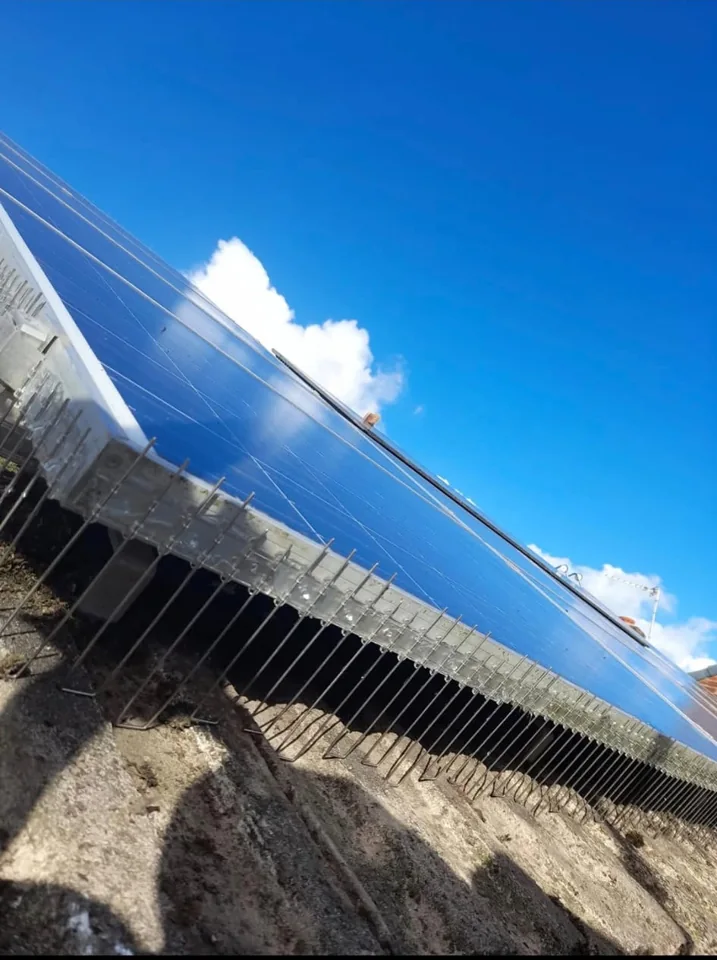
Bird spiking & proofing
Chris can recommend suitable spiking or proofing measures for the building after assessment.
Plan for the site
You get practical options for the affected area.