Confirm the signs before planning treatment.
Suspected bed bugs can be stressful. A careful inspection helps confirm the evidence and shape a treatment plan for your home or accommodation.
Bed bug biology and behaviour.
Biology and life cycle
Bed bugs are small, wingless insects that feed on blood. Young bed bugs pass through several nymph stages before becoming adults. They can arrive in luggage or used furniture, and their presence is not proof of poor hygiene.
Where they live and how they behave
They hide in narrow gaps near resting or sleeping areas, including mattress seams, bed frames, headboards and nearby furniture. They commonly feed while people sleep and can move between rooms in shared buildings.
How Chris can help
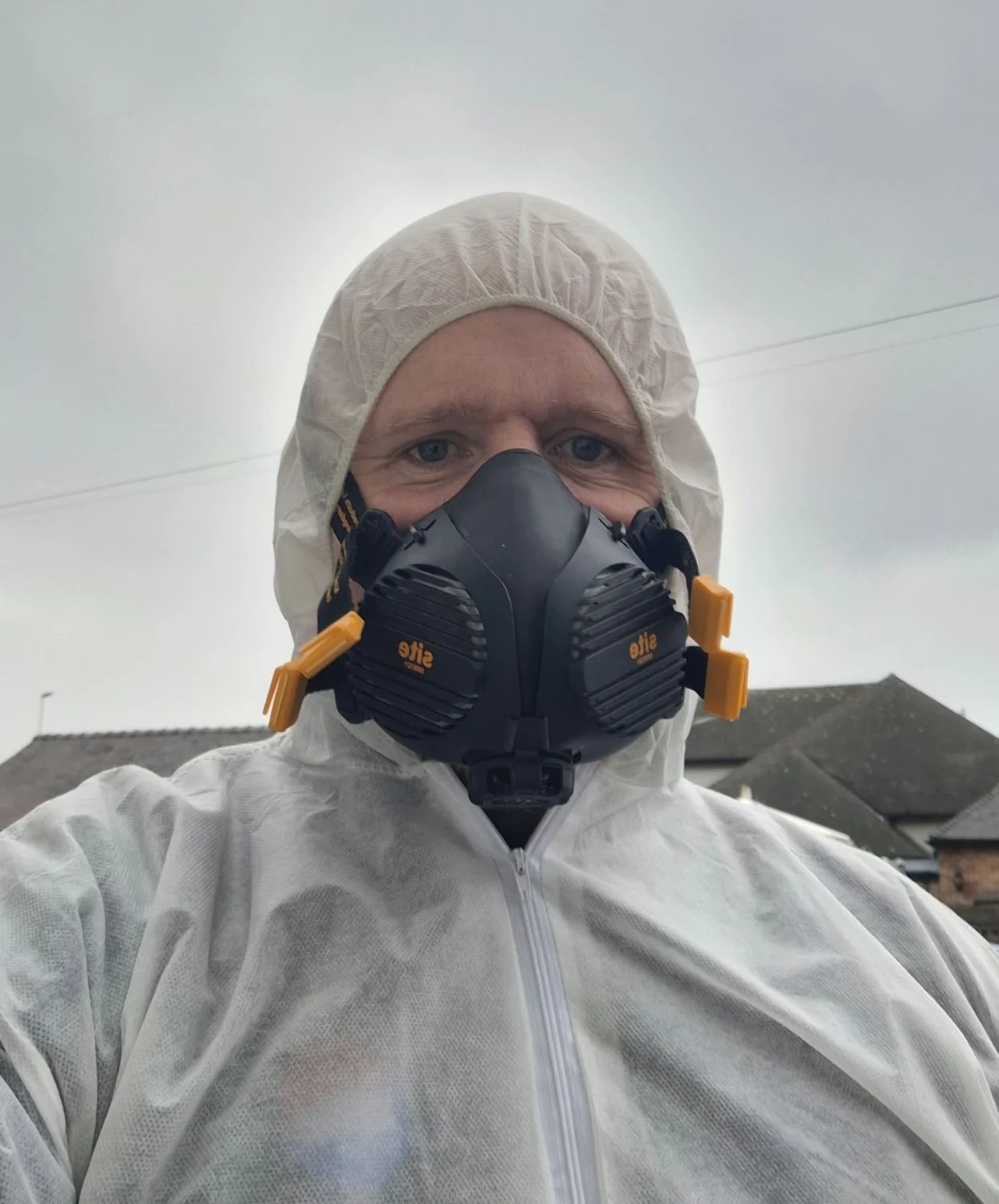
Chris looks for evidence and the extent of activity before discussing treatment, room preparation and any follow-up needed. Tell him about adjoining rooms or other accommodation units so the assessment considers the wider setting.
Prevention and preparation
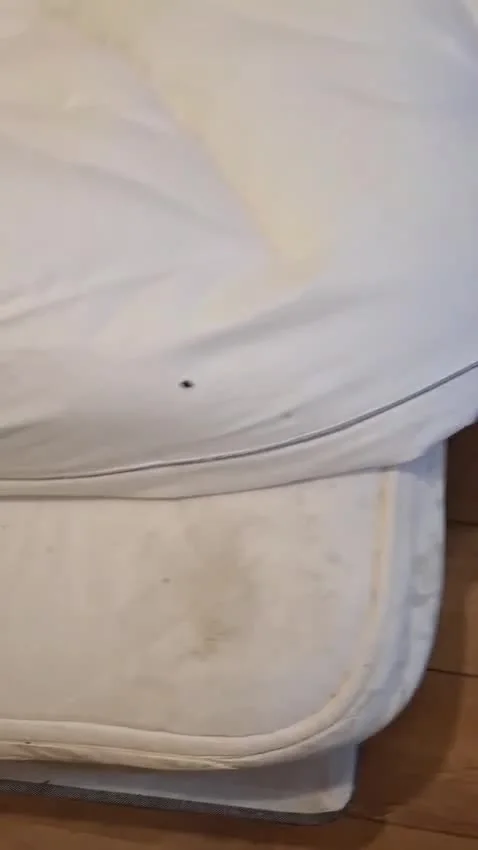
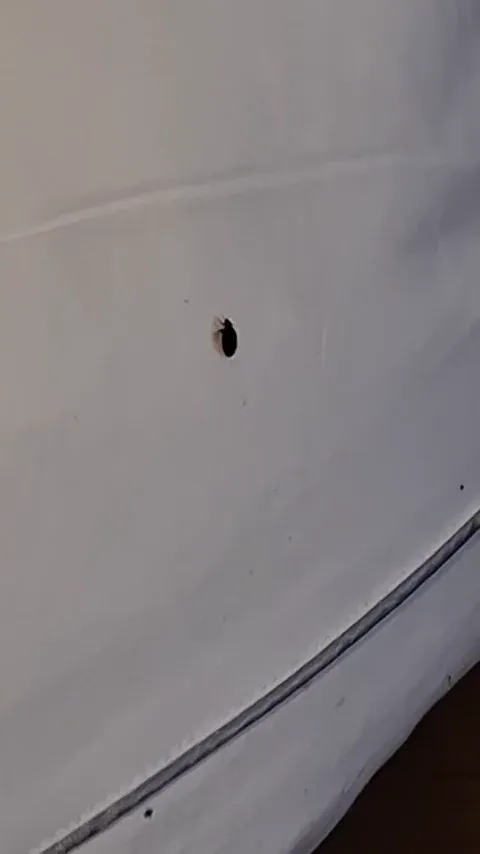
Photograph a suspected insect if possible. Avoid moving bedding or furniture into other rooms before advice, and check used furniture and luggage carefully.
More on identification and behaviour: BPCA: bed bug control.
Signs that may point to bed bugs.
These clues are a starting point. A survey can confirm what is happening at your property.
Insects and shed skins
Live insects or pale shed skins near the bed.
Dark spotting
Dark spots around seams, frames or nearby crevices.
Marks on bedding
Small blood marks on bedding; bites alone do not confirm bed bugs.
Careful assessment. Clear advice.
The approach depends on the pest, location and property. Chris explains the findings and recommended work before you decide what to do.
Inspect the sleeping area
Chris assesses signs around the bed and nearby hiding places.
Agree a plan
Treatment and preparation depend on the findings and the site.
Explain the next steps
You receive practical advice for your home or accommodation property.