Find the source of textile damage.
Clothes moths and carpet beetles can damage carpets, clothing and furnishings. Identifying the pest and finding the larval feeding areas comes first.
Clothes moths and carpet beetles.
Biology and life cycle
For clothes moths and carpet beetles, the larvae cause the fabric damage. They feed on materials of animal origin, including wool, fur and feathers. Adult moths or beetles may be easier to spot than the hidden larvae.
Where they live and how they behave
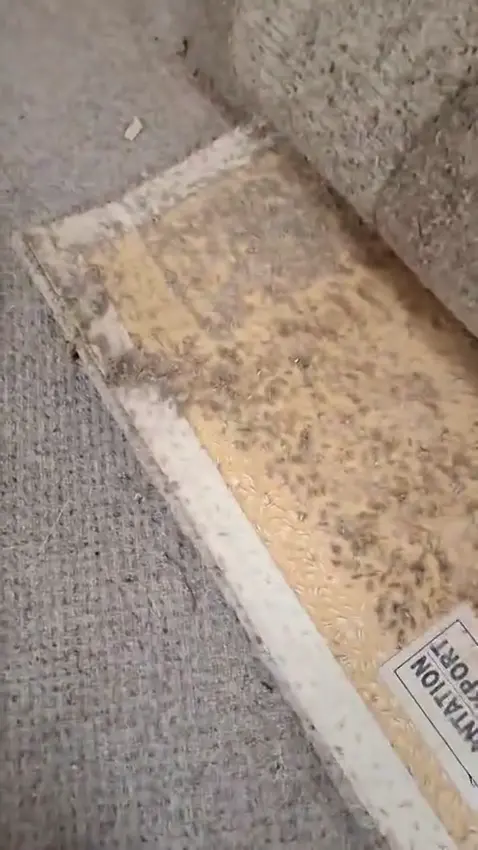
Clothes moths favour low-light, undisturbed areas. Carpet edges, wardrobes, stored textiles and spaces beneath furniture can shelter activity. Hair, fluff and old organic debris can also provide food for textile-pest larvae.
How Chris can help
Chris identifies the signs, checks affected textiles and surrounding hiding places, then explains a treatment and cleaning plan. Preparation and aftercare depend on the materials, rooms and treatment selected.
Prevention and preparation
Vacuum carpet edges and beneath furniture, clean susceptible textiles according to their care labels and store cleaned items securely. Ask before moving affected belongings around the property.
More on identification and behaviour: Natural History Museum: clothes moths, Natural History Museum: carpet beetles.
Silverfish and firebrats: help beyond the wardrobe.
Silverfish and firebrats can affect paper, stored items and some textiles. They need a different assessment from clothes moths or carpet beetles.
Biology and behaviour
These are fast-moving, wingless insects with tapered bodies, long antennae and three tail-like filaments. Young insects resemble smaller adults. They hide during the day and emerge at night to find food.
Where they live
Common silverfish often favour damp spaces such as bathrooms, kitchens and cupboards. Firebrats prefer much warmer places, including areas near ovens, hot pipes and heating equipment. Both can hide in cracks or behind stored items, so the inspection needs to consider the wider room.
Materials they can damage
They scavenge starchy material, including wallpaper paste, bookbinding glue and starch in clothing. Feeding may leave grazed surfaces or irregular holes in paper and some fabrics. Damage alone is not enough to identify the pest.
How Chris can help
Chris checks the insects, affected materials and conditions supporting them. Advice can include addressing leaks or condensation, reducing food and hiding places, and suitable monitoring or treatment where needed. The recommendation reflects the species and the setting.
Prevention and preparation
Investigate leaks and condensation, improve ventilation where appropriate and clean away dust and food residues. Keep susceptible papers, textiles and dry foods in suitable closed storage, and avoid leaving cardboard or clutter against affected areas.
Further information: Royal Entomological Society: Silverfish and firebrats (Zygentoma), University of California Statewide IPM: Silverfish and Firebrats.
Signs that may point to textile pests.
These clues are a starting point. A survey can confirm what is happening at your property.
Fabric damage
Holes in garments or thinning areas of wool carpet.
Webbing and larval cases
Silken webbing or larval cases associated with clothes moths.
Larvae and shed skins
Hairy carpet-beetle larvae or their shed skins.
Careful assessment. Clear advice.
The approach depends on the pest, location and property. Chris explains the findings and recommended work before you decide what to do.
Confirm the pest
Chris looks at the insect, damage and affected fabrics.
Plan the work
Advice and treatment depend on the source and extent.
Prevent recurrence
Discuss storage and monitoring steps suited to the property.